

Jasmine Rice
The basis of Thai culture is jasmine rice (called Khao Hom Mali in Thailand). This rice is so named because of the snowy white colour of the rice, which looks like the flower from which it was named, and because the rice has a signature natural floral aroma. The rice is also important in religion; farmers traditionally make offerings to Mae Phosop (the Rice Mother Goddess) for protecting their crops. Jasmine rice is a premium grain that provides a sacred religious offering to Buddhist monks each day and the rice is an indispensable item at every family dining table.

Basmati
The fertile foothills of the Himalaya Mountains produce Basmati rice, a sought after long-grain variety that is often referred to as the 'Queen of Fragrance' due to its wonderful nutty fragrance when cooked. When you cook this rice, it doubles in length. To prepare any type of dish made with Basmati rice, such as Biryani or Pilaf, requires an extended period of time (up to six months) after the rice has been harvested because it must age in order to become light and fluffy with separate grains.This form of hospitality, gracefulness, and festive history can be found throughout South Asia and the Middle East where people use Basmati rice for special occasions in their lives
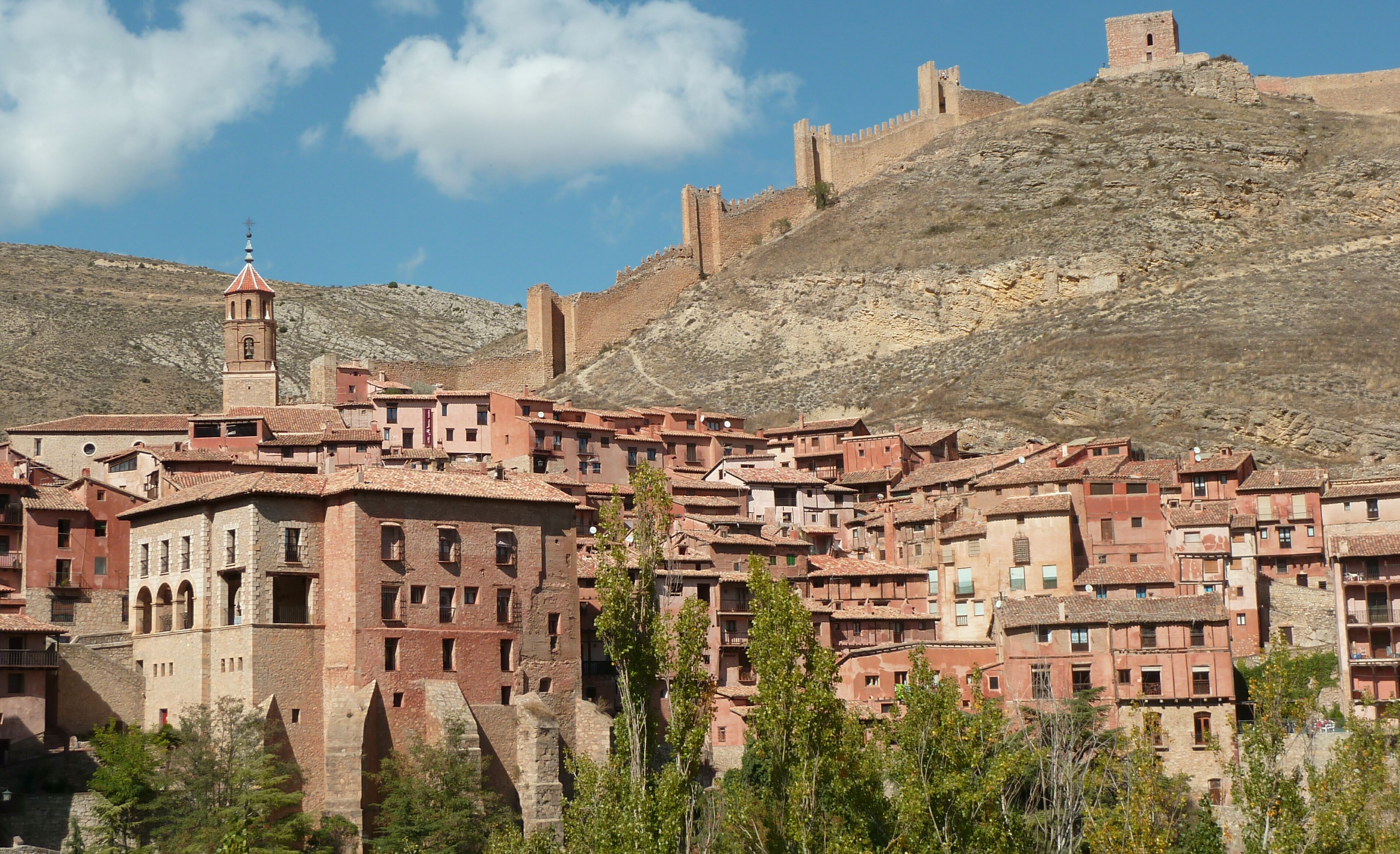
Bomba Rice
Bomba rice is regarded as the principal ingredient in Spanish cuisine and is the heart and soul of traditional paella. Grown primarily in the wetlands around Valencia, Bomba is an ancient short-grain rice variety that chefs highly value due to its amazing ability to absorb flavour. Like a sponge, Bomba can absorb up to three times its volume in delicious broth and flavour, while still retaining its integrity, and will not become mushy or sticky. Bomba has a deep-rooted connection to the Spanish tradition of the domingo de paella (Paella Sunday), where families and friends gather around a large paella pan filled with rice cooked over an open flame, to create a sense of togetherness and to celebrate.
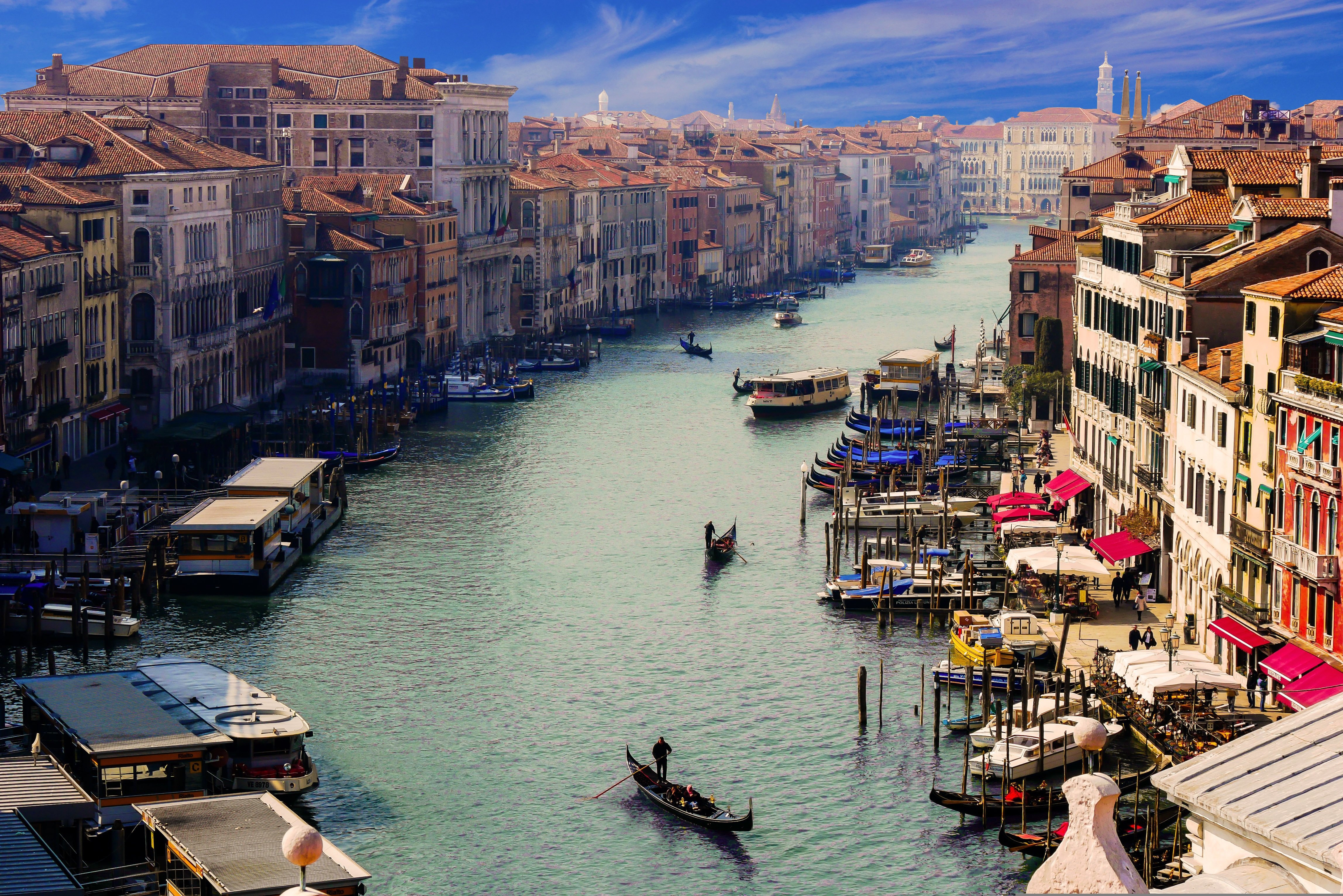
Aborio Rice
Arborio rice is a type of short, Italian rice that comes from the Po Valley in Italy. It is one of the most popular varieties used to make risotto because it contains more starch than any other type of rice. When cooked properly, starch will be released from the rice, resulting in a creamy sauce, while the center will remain slightly firm or al dente. Arborio rice has become synonymous with traditional comfort food from Northern Italy as it has been considered the staple ingredient for risottos that can absorb liquids such as broth, wine, butter, and cheese when cooked over an extended period through repeated stirring.
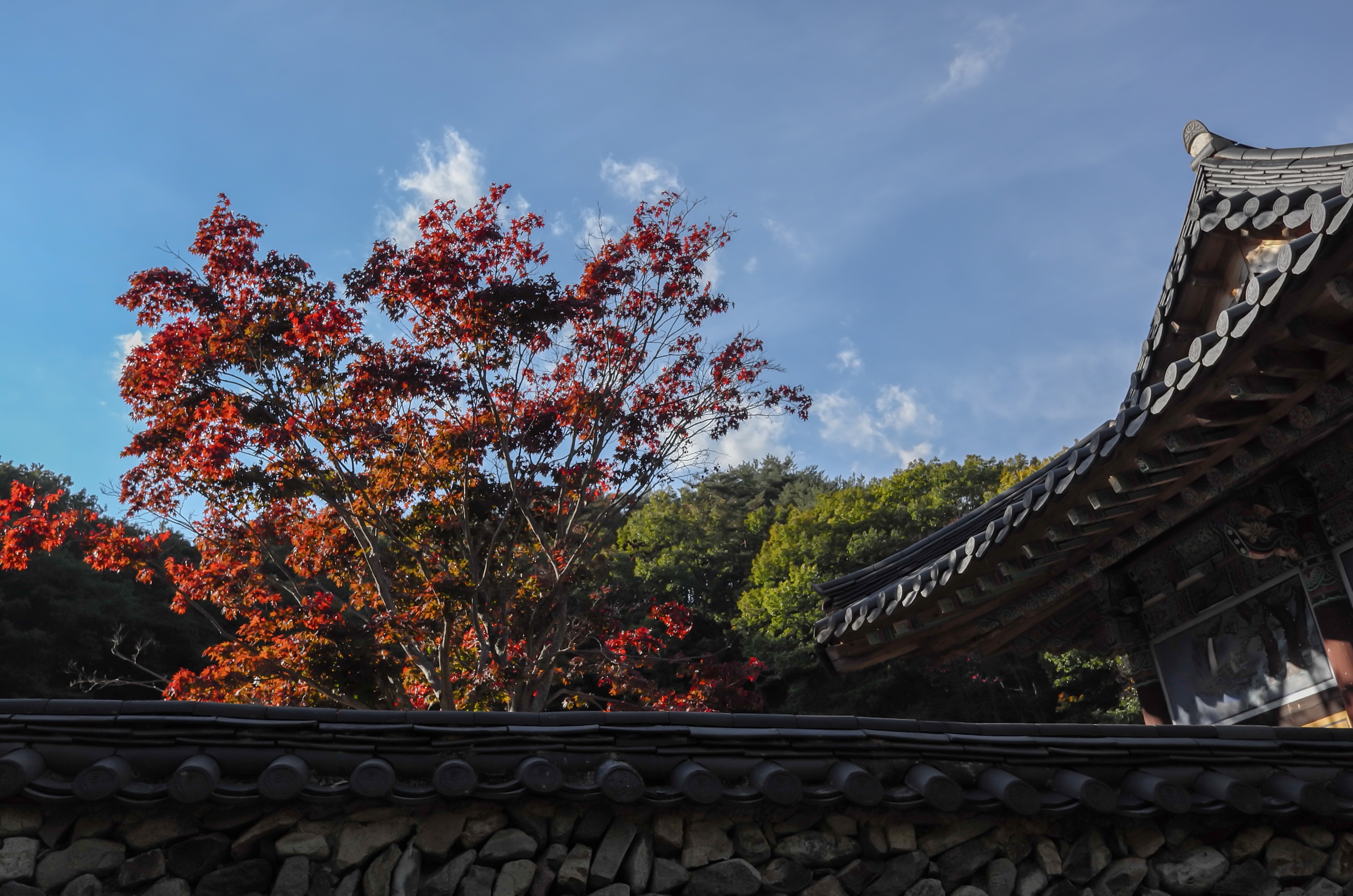
Sushi Rice
Sushi rice is an art form that is very disciplined; where rice (not fish) is the soul of the dish. To make this rice, it has to be made with premium Japanese short-grain rice, which has been carefully selected for its shape and high starch content (which allows it to stick together perfectly, but not become mushy). To make this rice, it is washed, soaked, and steamed precisely, then the seasoned vinegar, sugar, and salt mixture are carefully folded into the rice (while fanning) to give it its distinct shine or luster. For many Japanese chefs this long term process of mastering how to make sushi rice can take decades or lifetimes of precision and it must be prepared at the correct temperature to allow the toppings to be at their best freshness.
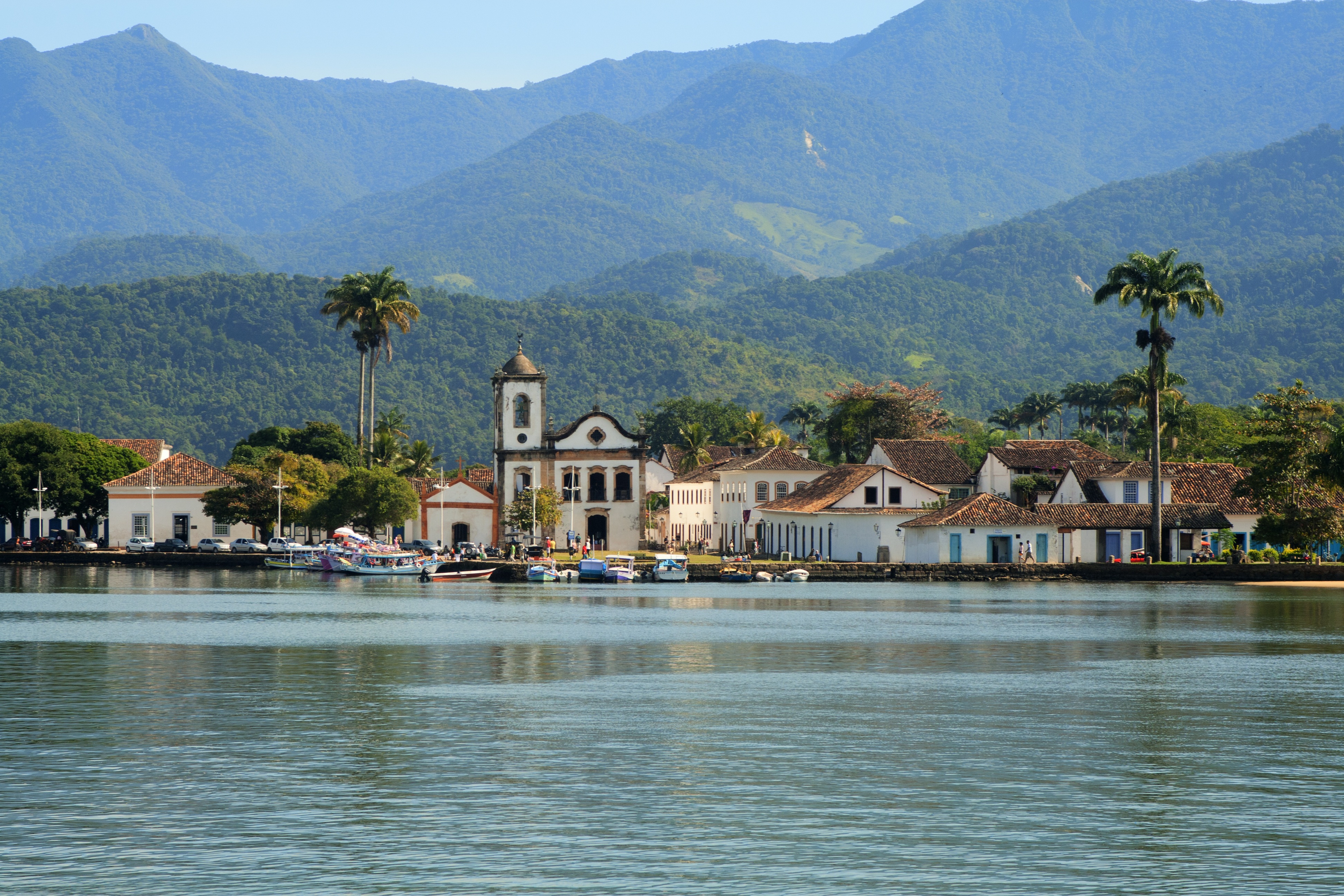
Yellow Rice
Yellow rice (or arroz amarillo) is a vibrant and festive meal that has been a part of the cultures of Caribbean, Spain and Latin America for years. The rice used is typically long grain, white in colour, and is then coloured yellow through the use of spices such as turmeric, achiote (annatto) and/or saffron. The rice is usually cooked with onions, garlic and/or sofrito, and makes the perfect complement to an everyday family meal or major holiday event. It can be served with roasted pig, made with chicken as arroz con pollo, or combined with pigeon peas, and represents hispanic hospitality and communal pride.